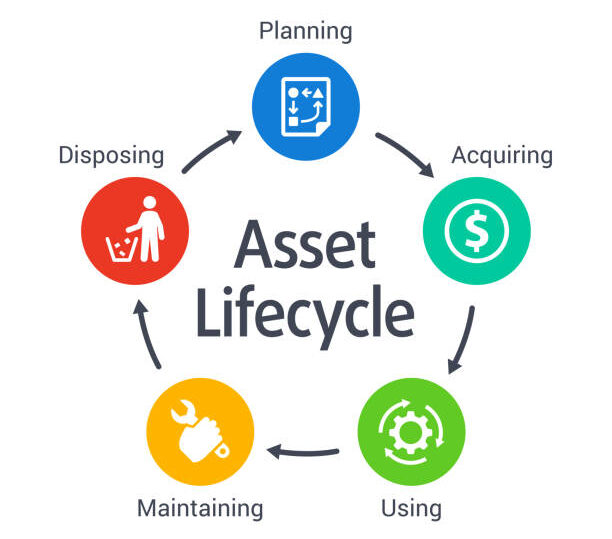
IT asset lifecycle management becomes important long before a device actually fails. That is part of what makes it easy to postpone. A server may still be running. A workstation may still power on. A switch may still be carrying traffic. Nothing appears urgent enough to force a decision, so the business keeps moving and … Read more
Microsoft 365 backup is one of those topics that often becomes urgent only after something has already gone wrong. Until then, many businesses assume the platform already covers what they need. Data lives in Microsoft 365. Retention settings may exist. Deleted items may be recoverable for some period of time. The environment feels durable, and … Read more
Multi-office law firm IT support usually becomes difficult before it becomes obviously broken. For a while, the model can appear workable. Each office has its own routines. People know who to ask. Workarounds develop quietly. Exceptions are tolerated because they help the day get moving again. The environment may still function well enough that leadership … Read more
IT documentation management sounds administrative until something breaks. When systems are stable, documentation is easy to treat as a side task. It becomes the thing teams promise to clean up later, organize later, or standardize later. The assumption is that people already know how the environment works, so formal records can wait. That assumption usually … Read more
Infrastructure rarely fails all at once.It grows. Servers are added to meet demand. Storage expands to accommodate new data. Network capacity increases to support additional users. Each change is sensible on its own, and for a long time, the environment continues to function. The distinction between infrastructure that scales and infrastructure that accumulates becomes visible … Read more
Backup and disaster recovery address different risks. Confusing the two creates false confidence and leaves operational continuity undefined.