
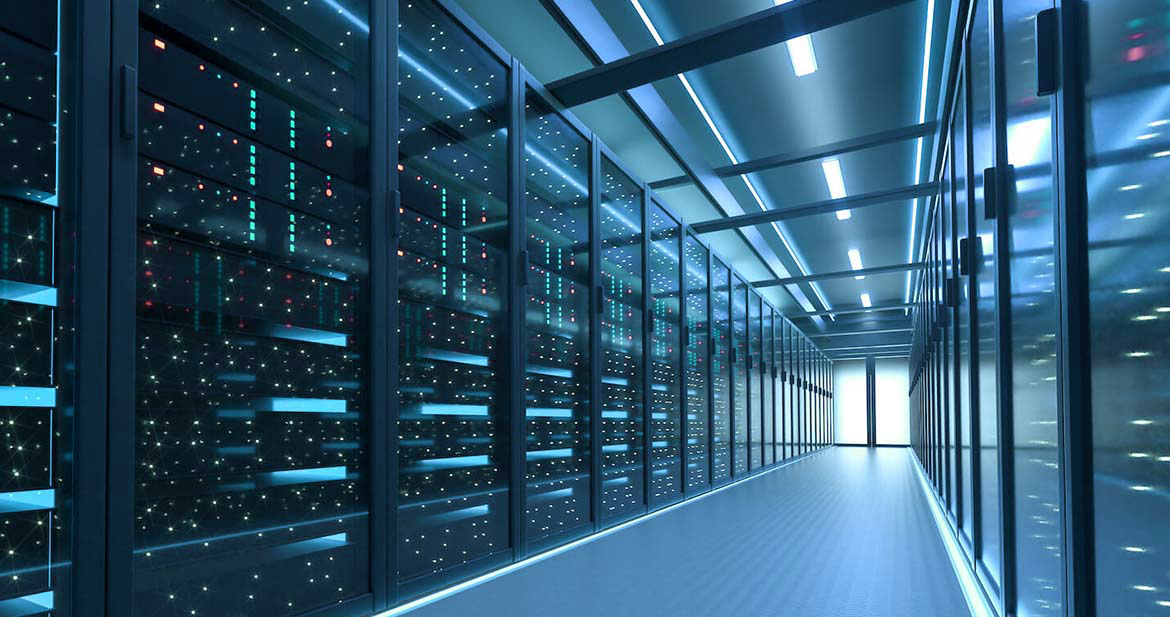
IT Infrastructure Management
Maintaining the systems that support daily operations
IT Infrastructure Management focuses on the structure, stability, and condition of the systems that support daily operations.
These systems form the foundation for how work gets done, how data flows, and how users connect. Effective infrastructure management ensures that environments remain reliable, understandable, and appropriate as organizations evolve.
Tera Partners supports businesses and professional firms across Pennsylvania, New Jersey, and Delaware with structured infrastructure oversight designed to integrate seamlessly with ongoing Managed IT Services.
What IT Infrastructure management covers
IT Infrastructure Management addresses servers, networks, endpoints, and supporting platforms across on-premises, cloud, and hybrid environments.
These IT Infrastructure Services focus not on adopting new models for their own sake, but on maintaining environments that align with how the organization actually operates and can be supported responsibly over time.
Infrastructure oversight is most effective when aligned with long-term planning through Virtual CIO (vCIO) & IT Consulting, ensuring that architectural decisions reflect broader organizational direction.
On-premises, cloud, and hybrid environments
Most organizations operate across a mix of infrastructure models.
IT Infrastructure Management provides continuity across on-premises systems, cloud services, and hybrid environments, helping ensure that responsibilities remain clear and systems function cohesively rather than as disconnected components.
Clarity across these environments also supports broader IT Security Services, particularly where access boundaries and system exposure intersect.
Capacity, performance, and reliability
Infrastructure issues often emerge gradually rather than suddenly.
Ongoing management focuses on monitoring capacity trends, performance characteristics, and system behavior over time. This allows organizations to address constraints early, plan changes deliberately, and avoid disruptions caused by unmanaged growth or outdated assumptions.
Where continuity requirements are defined, infrastructure oversight supports structured Backup & Disaster Recovery planning to ensure recoverability aligns with real system architecture.
Consistency and operational clarity
As environments evolve, inconsistency can introduce unnecessary complexity.
Infrastructure management helps maintain standards around configuration, access, and system behavior so that environments remain understandable and supportable. This clarity reduces operational friction and makes it easier to manage change without destabilizing core systems.
Infrastructure changes and lifecycle planning
Infrastructure decisions tend to have long lifespans.
Effective management considers not only immediate needs, but how systems will age, integrate with future platforms, and support evolving organizational requirements. Changes are evaluated and introduced in a controlled manner, with attention to downstream impact rather than short-term convenience.
Where infrastructure components reach end-of-life or new requirements emerge, oversight may include structured evaluation and coordinated provisioning of workstations, servers, networking, and security hardware. Procurement decisions are aligned with lifecycle planning, security posture, and long-term architectural direction rather than short-term convenience.
Scope and ongoing relevance
Infrastructure oversight evolves as organizations evolve.
Scope is defined, reviewed, and adjusted as systems, usage patterns, and internal capabilities change. Continued involvement reflects current operating needs rather than historical arrangements.

If you’re evaluating whether your infrastructure still supports how your organization operates — or whether existing systems remain appropriate — we’re open to an introductory conversation.
Request an introductory conversation