
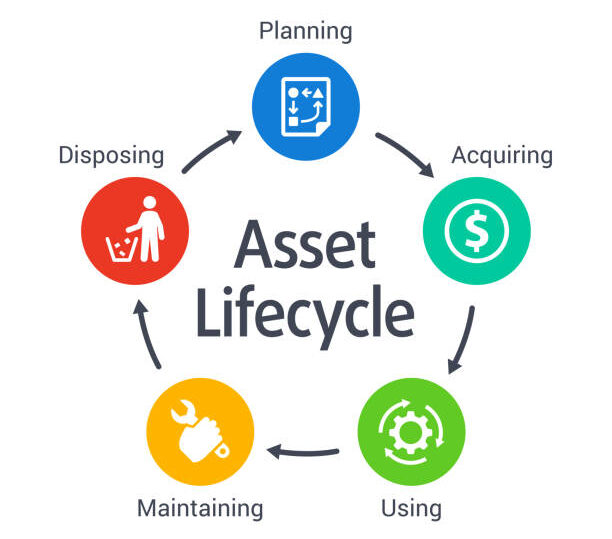
IT asset lifecycle management becomes important long before a device actually fails.
That is part of what makes it easy to postpone. A server may still be running. A workstation may still power on. A switch may still be carrying traffic. Nothing appears urgent enough to force a decision, so the business keeps moving and the equipment stays where it is.
Over time, though, the real issue is rarely whether something still functions at the most basic level. The issue is whether it remains supportable, secure, efficient, and realistic to keep depending on. Aging technology often creates drag before it creates failure. It becomes harder to patch, harder to replace cleanly, harder to integrate with newer tools, and harder to trust during periods of change.
That is when technology stops being a simple replacement question and becomes an operational one.
Why IT Asset Lifecycle Management Matters Before Failure
The value of IT asset lifecycle management is not in keeping an inventory for its own sake. It is in helping the business understand when technology has started costing more in friction, uncertainty, and risk than it is worth to keep in place.
Most organizations do not struggle because they forgot equipment exists. They struggle because technology ages unevenly. Some assets remain useful longer than expected. Others appear stable while quietly becoming harder to support. A device may still function well enough day to day, yet already be contributing to slower troubleshooting, weaker vendor support options, outdated dependencies, or growing security limitations.
This is why lifecycle management matters before something breaks. By the time a failure forces action, the business is often already making decisions under more pressure and with fewer good options.
Technology Lifecycle Management Is Really About Timing
Good technology lifecycle management is not about replacing everything on a fixed schedule without context.
It is about timing decisions well enough that the business avoids both extremes: replacing assets too early without reason, or holding onto them so long that the environment becomes harder to govern cleanly.
That timing depends on more than age. It depends on support status, vendor viability, compatibility, business dependency, performance under current workloads, recovery importance, and whether the technology still fits the way the organization operates today.
This is where many businesses get stuck. A device may not be failing, but it may already be shaping the environment in quieter ways. It may be limiting change. It may be increasing complexity. It may be pushing the business to preserve older workarounds simply because newer paths would require broader disruption than anyone wants to take on yet.
A Useful Lifecycle Framework Is Simpler Than It Sounds
Most businesses do not need a complicated model to think about lifecycle well. In practice, a useful framework is often just this:
- plan for what the business actually needs
- use the technology with clear ownership and support expectations
- review it before age turns into friction
- replace it before urgency removes better options
That structure is what makes lifecycle management practical. It prevents technology from being treated as something purchased once and revisited only when a problem becomes visible.
Lifecycle is often described more formally through stages such as planning, procurement, management, renewal, and retirement. The underlying idea, however, is simpler: assets should be revisited as part of an ongoing operating discipline, not just as a purchasing event.
IT Asset Management Should Do More Than Track What Exists
Strong IT asset management should help the business do more than count devices.
It should make it easier to answer questions like:
- Which assets are still dependable enough to keep in service?
- Which ones are becoming harder to support than leadership realizes?
- Which assets are business-critical enough to deserve earlier review?
- Where is the environment becoming dependent on equipment or systems that no longer fit cleanly with the rest of the infrastructure?
Those questions matter because technology does not age in isolation. An older firewall can affect security posture. An aging server can affect backup strategy, vendor support, and recovery confidence. Older endpoints can create patching limitations or performance drag that seems minor until it is repeated across many users.
This is one reason IT infrastructure management connects so naturally to lifecycle planning. Infrastructure gets harder to govern when the business no longer has a clear sense of what is still viable, what is becoming fragile, and what is being carried forward mostly because replacement has not yet felt urgent enough.
Hardware Lifecycle Management Exposes More Than Age
Hardware lifecycle management is often framed as a budget or refresh topic. It is that, but it is also a visibility topic.
A business should know which devices are nearing the point where vendor support becomes weaker, replacement becomes more disruptive, or continued use starts creating avoidable operational limitations. That does not mean every older asset must be removed quickly. It means leadership should be able to see which parts of the environment are aging in ways that could affect reliability, compatibility, or response options later.
That visibility matters because aging hardware rarely announces itself dramatically at first. It shows up through slower recovery, more cautious change planning, rising support effort, or growing dependence on people who know how to keep older systems working.
This is where lifecycle planning becomes much more than procurement.
Aging Technology Infrastructure Usually Creates Quiet Risk First
The first problem with aging technology infrastructure is not always direct failure.
More often, it is hesitation.
Teams become more cautious about making changes because older systems are less predictable. Support becomes more dependent on memory and workarounds. Vendor options narrow. New tools have to be evaluated around old compatibility constraints. Security decisions become less clean because the environment contains components that no longer fit easily within current standards.
That hesitation adds up. It slows planning, increases operational friction, and makes the business more likely to defer necessary changes until those changes become less convenient and more expensive.
This is also where Backup & Disaster Recovery becomes part of the lifecycle conversation. The older and less supportable critical systems become, the more important it is to think clearly about recoverability, replacement paths, and what the business would do if one of those systems failed at the wrong moment.
The Better Question Is Not “Is It Still Working?”
That is the question many businesses ask first, and it is understandable.
If the equipment is still functioning, the natural instinct is to leave it alone until there is a clearer reason to act. But functioning is a narrow standard. It does not answer whether the asset is still a good fit for the environment around it.
A better question is whether the technology is still helping the business operate with confidence.
Is it supportable?
Is it secure enough?
Is it still compatible with the direction of the environment?
Would replacing it now be more manageable than being forced to replace it later under pressure?
That is the kind of thinking IT asset lifecycle management is meant to support.
What Better Lifecycle Management Leaves Behind
A strong lifecycle approach should leave the business with more than a refresh list.
It should leave leadership with a clearer view of where technology is aging well, where it is starting to create drag, and where waiting longer may no longer be the lower-risk choice. It should help the organization make replacement decisions with more intention and less urgency. And it should reduce the chance that old equipment quietly shapes the environment long after it has stopped being a good fit for it.
That is what makes lifecycle management valuable.
Not the fact that assets are tracked, but the fact that technology decisions stay aligned with supportability, continuity, and the way the business actually operates.