Unapproved software at work usually begins with a useful decision. A team adopts a tool because it solves a problem quickly. A department adds an application because the approved option feels too limited. A workflow moves into a new platform because work needs to keep moving and no one wants to wait for a longer … Read more
Software sprawl – the quiet buildup of too many overlapping, under-reviewed, or loosely managed tools – usually starts with a reasonable decision. A new platform solves a workflow problem. A team adopts a tool that helps it move faster. A department adds an application because the existing system feels too limited. Another subscription stays active … Read more
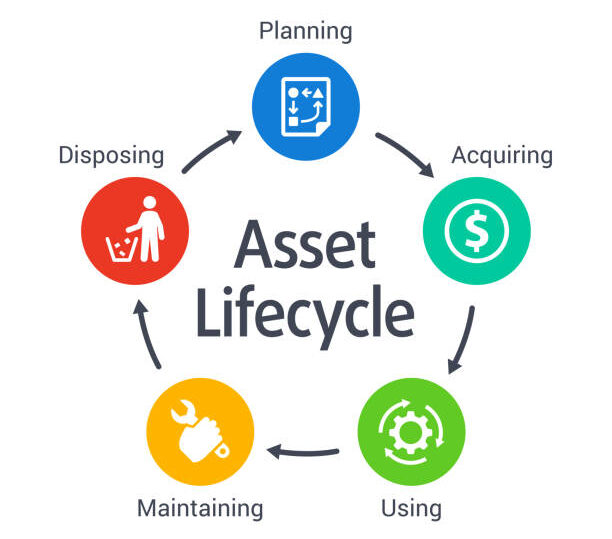
IT asset lifecycle management becomes important long before a device actually fails. That is part of what makes it easy to postpone. A server may still be running. A workstation may still power on. A switch may still be carrying traffic. Nothing appears urgent enough to force a decision, so the business keeps moving and … Read more
IT vendor management rarely becomes a priority when a business has only a few technology relationships to oversee. At that stage, things still feel manageable. One provider handles connectivity. Another supports a line-of-business platform. A managed services partner may cover day-to-day support. Someone internally knows who to call, what each vendor is responsible for, and … Read more
Managed IT services cost is often one of the first things businesses want to understand, and one of the easiest things to misunderstand. Many organizations begin by looking for a number. They want to know what support should cost per user, per device, or per month. That is understandable. Pricing matters. Budget discipline matters. No … Read more
Managed IT services provider is a phrase many organizations encounter only after technology has already become harder to manage than expected. At that point, the search often begins with familiar questions. Who can support the environment reliably? Who can respond when issues arise? Who can take responsibility for day-to-day IT without creating more confusion, more … Read more
Most organizations have some form of a technology roadmap. It may live in a slide deck, a spreadsheet, or the back of someone’s mind. It outlines initiatives, upgrades, timelines, and dependencies – at least as they were understood at the time it was created. The problem is not that roadmaps exist. It’s that most of … Read more