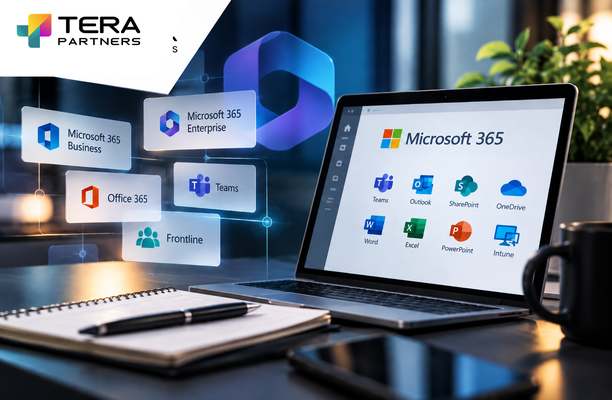
Microsoft 365 licensing often becomes more complicated than businesses expect because the decision starts in the wrong place. Organizations begin by comparing plan names, feature matrices, and pricing tiers: Those are legitimate questions, but they come after a more important one: What does the business actually need the technology to do? That requirement should come … Read more
Switching IT providers is rarely the first reaction when a longtime technology partner is acquired. Most businesses wait to see what changes. Sometimes very little does. Familiar senior engineers remain, support stays responsive, and the acquiring organization brings resources that strengthen the engagement. An acquisition alone does not mean a managed service provider (MSP) has … Read more
Unapproved software at work usually begins with a useful decision. A team adopts a tool because it solves a problem quickly. A department adds an application because the approved option feels too limited. A workflow moves into a new platform because work needs to keep moving and no one wants to wait for a longer … Read more
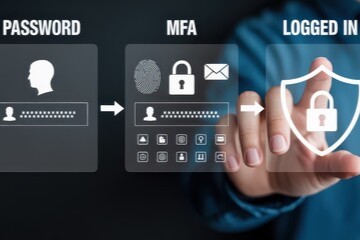
Multifactor authentication fatigue happens when repeated login prompts wear down a user until one is accepted simply to make the interruption stop. That is what makes the issue so uncomfortable for businesses. Multifactor authentication, often shortened to MFA, is still one of the most effective baseline protections because it requires a second form of verification … Read more
Password manager for business is not usually the first phrase leadership thinks of when considering operational risk. More often, the issue appears in smaller, familiar ways. A team shares one login because multiple people need it. A spreadsheet keeps track of credentials because it seems practical. A departing employee knew a password that was never … Read more
Employee onboarding IT begins before a new employee logs in for the first time. A device has to be ready. Accounts need to exist. Access has to match the role. Security settings need to be in place. Training may need to happen early, especially if the person will be working with sensitive systems, financial processes, … Read more
Business email compromise is a form of fraud in which a trusted-looking email is used to trigger a real business action that should never have happened. That is what makes it dangerous. The message often does not look dramatic. It may appear to come from an executive, a colleague, a vendor, or a legitimate account … Read more