Password Manager for Business: Why Shared Password Habits Create More Risk Than Most Teams Realize

password manager for business and secure team access management

Password manager for business is not usually the first phrase leadership thinks of when considering operational risk. More often, the issue appears in smaller, familiar ways. A team shares one login because multiple people need it. A spreadsheet keeps track of credentials because it seems practical. A departing employee knew a password that was never … Read more


Employee Onboarding IT: Why New Access Creates Risk Faster Than Most Businesses Expect

employee onboarding IT process for access, devices, and business security

Employee onboarding IT begins before a new employee logs in for the first time. A device has to be ready. Accounts need to exist. Access has to match the role. Security settings need to be in place. Training may need to happen early, especially if the person will be working with sensitive systems, financial processes, … Read more

Business Email Compromise: Why Trusted-Looking Email Creates Business Risk So Quickly

business email compromise and email payment fraud risk in business operations

Business email compromise is a form of fraud in which a trusted-looking email is used to trigger a real business action that should never have happened. That is what makes it dangerous. The message often does not look dramatic. It may appear to come from an executive, a colleague, a vendor, or a legitimate account … Read more

Incident Response Plan: Why Faster Response Depends on More Than Security Tools

incident response plan for business security and operational continuity

Incident response plan is one of those phrases that often sounds important long before it feels practical. Most businesses understand, in principle, that some kind of response plan should exist. They know security incidents can interrupt operations, create uncertainty, and force decisions that no one wants to make under pressure. What is less clear is … Read more

Software Sprawl: Why Too Many Tools Quietly Create Operational Risk

software sprawl and overlapping business tools creating operational complexity

Software sprawl – the quiet buildup of too many overlapping, under-reviewed, or loosely managed tools – usually starts with a reasonable decision. A new platform solves a workflow problem. A team adopts a tool that helps it move faster. A department adds an application because the existing system feels too limited. Another subscription stays active … Read more

Vendor Access Management: Why Third-Party Access Quietly Expands Risk

vendor access management for third-party access security and accountability

Vendor access management often begins as a practical necessity. A software provider needs admin access to support its platform. A copier vendor touches scanning workflows. An outside consultant is brought in for a migration. A phone system provider needs visibility into network settings. A managed service partner, security firm, or cloud consultant is given access … Read more

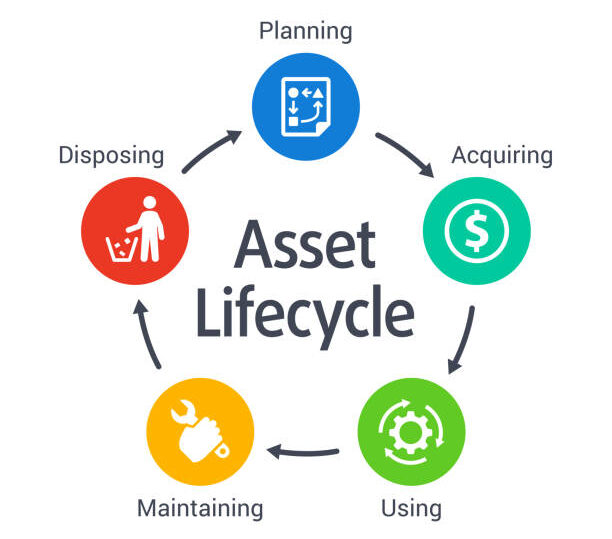
IT Asset Lifecycle Management: Why Aging Technology Creates More Than Replacement Decisions

IT asset lifecycle management for aging technology and infrastructure planning

IT asset lifecycle management becomes important long before a device actually fails. That is part of what makes it easy to postpone. A server may still be running. A workstation may still power on. A switch may still be carrying traffic. Nothing appears urgent enough to force a decision, so the business keeps moving and … Read more